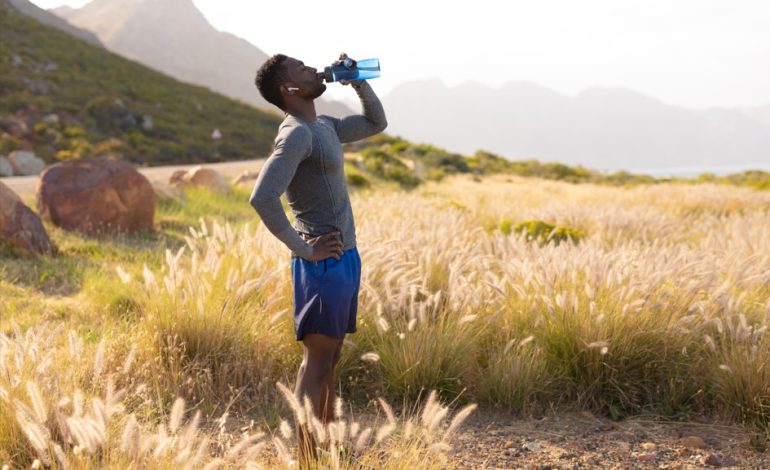
Unlock 5 Vital Hydration in Sports Tips for Peak Performance?
The issue of hydration in sports is not discussed intensively, but it is a significant factor that contributes to the increase in physical performance and health. Knowledge of the hydration power and fluid balance impact on athletic performance is key to both sportspeople, coaches, and fitness enthusiasts. This research article investigates the role of good hydration, the influence of fluid balance on the performance, and the measures that can be taken to ensure an appropriate level of hydration.
The Importance of Hydration
Water plays a crucial role in many physiological processes happening in the body particularly among athletes who are involved in extreme physical workouts. The following are some of the main reasons as to why hydration is important:
- Body Temperature Control: The body produces heat when it is exercising and this has to be cooled down to ensure the body temperature stays constant. Hydration is sufficient to induce sweating, which is one of the primary ways of thermoregulation.
- Nutrient Transport: Water plays a vital role in the transportation of nutrients and oxygen to the cells thus making sure that the muscles get the energy they deserve to work efficiently.
- Joint Lubrication: It is known to keep the synovial fluid in the joints at the right level to decrease friction and injury chance in case of physical exercise.
- Thought Process: Dehydration may affect cognitive functioning and decision making, which is essential during an athletic performance. Drinking water is one way of staying hydrated to ensure maximum mental clarity and focus.
Fluid Balance and Sport Performance
Fluid balance means the balance between the fluid intake into the body and the water lost in the form of sweat, urine and respiration. This balance is important in achieving the best performance in athletics. The following is the direct relationship between fluid balance and performance:
1. Effects of Dehydration
Mild dehydration may be very harmful to the performance of athletes. It has been found that a dehydration loss of 1-2% of body weight can result in:
- Reduced Endurance: Endurance capacity may be compromised due to dehydration, and thus, it becomes harder to perform long physical work.
- Greater Perceived Effort: It can make athletes think that they are exerting more effort than normal and result in the deterioration of performance and motivation.
- Injured Strength and Power: The state of hydration has a direct effect on muscle activity, and muscle activity can be impaired by dehydration.
2. Performance Implications
The state of hydration may influence the performance of different sports and activities. The following are some of the implications:
- Endurance Sports: During the long distance running event, bicycle riding or even in the triathlons, you must be hydrated or you will get tired and lose your energy.
- Team Sports: Team sports, like soccer or basketball, allow players to experience high-energy periods, which can be maintained by hydration to keep the performance over the course of the game.
- Strength Training: To train weightlifting and resistance training, good hydration helps in the contraction of the muscles and recovery of muscles so that an athlete can play optimally.
Optimal Hydration Strategies
To use the power of hydration to its advantage in sports, athletes ought to adopt effective hydration measures. The following are some of the main recommendations:
1. Understand Fluid Needs
The needs of individual hydration may differ depending on factors like the body mass, climate and the intensity of exercise. In general, it is recommended to eat:
- Pre-Exercise: Take at least 16-20 ounces of fluid at minimum two hours before physical activity.
- During Exercise: The objective is to take 7-10 fluid ounces every 10-20 minutes of any long exercise.
- Post Exercise: 16-24 ounces of water should be replaced after every pound of weight that is lost during exercise.
2. Choose the Right Fluids
Though water is paramount, the electrolyte rich drinks might be of advantage to the athlete, particularly when engaging in a strenuous or lengthy activity. Here are some options:
- Electrolyte Drinks: Sport drinks that have sodium and potassium can be used to replace the electrolytes that are lost through severe exercise.
- Coconut Water: Coconut water is a natural substitute that is loaded with electrolytes and may be used to replenish the system after a workout.
- Water: Simple water is enough to sustain the level of hydration in most of the activities.
3. Monitor Hydration Status
The athletes must take the initiative to check their hydration level. Some of the approaches can be seen to be:
- Urine Color: It is easy to test the hydration by examining the color of urine. Light yellow means that it is well hydrated and dark yellow means that it is dehydrated.
- Body Weight Changes: Weighing yourself before and after exercise may assist in the determination of the fluid loss and rehydration measures.
4. Acclimatize to Environmental Conditions
The heat and humidity can be considered environmental factors that can raise fluid loss by the sweat. The athletes must:
- Enhance Fluid Replacement: Change fluid level in accordance with exercise intensity and the climate.
- Take Breaks: during training and competition, take frequent breaks to hydrate the body by drinking.
5. Develop a Hydration Plan
Developing an individualized hydration protocol has the potential to improve the performance of athletes and to help them fulfil their fluid requirements. A hydration plan considerations include:
- Timing: Plan the fluid intake before, during, and after exercise.
- Quantity: Decide the amount of fluid to take in based on the individual needs and also the level of activity.
- Type of Fluids: Select the right fluids depending on the duration and intensity of exercise.
Conclusion
The hydration strength cannot be overemphasized as far as improving athletic performance is concerned. Proper fluid balance is the key to the optimal functioning, endurance, and recovery. With the discovery of the need to be hydrated and the ability to adopt effective measures that would see athletes enjoy the advantages of hydration, there is the potential to leverage on hydration to increase performance. With further discovery and innovations in the sporting world, hydration will remain one of the main elements that lead to athletic supremacy.
FAQs
Q: What should the athletes consume in terms of water during exercises?
A: during long-lasting exercise, athletes must strive to take 7-10 ounces of the fluid at a time interval of 10-20 minutes.
Q: What are the symptoms of dehydration?
A: The symptoms of dehydration are dark yellow urine, dizziness, dry mouth, fatigue, and poor performance.
Q: Do you need sports drinks to be hydrated?
A: Although water is adequate in most of the activities, sports drinks may prove useful in replacement of electrolytes during grueling or strenuous physical activities.