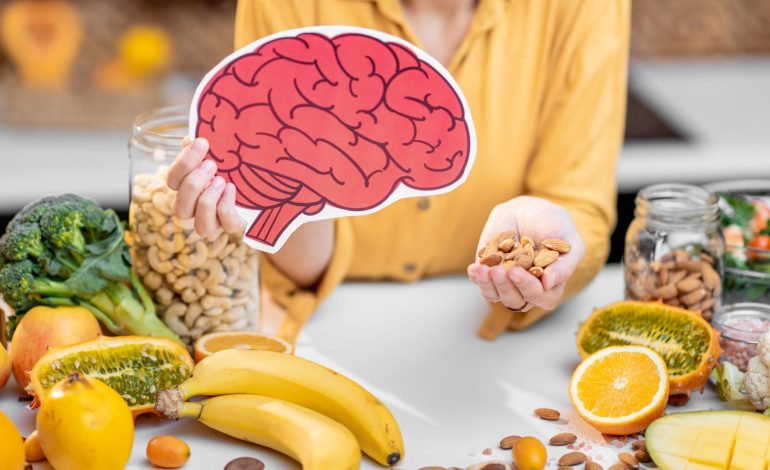
How does nutrition impact overall physical and mental health?
Most people know that “eating healthy” matters, but the deeper truth is how profoundly nutrition influences both physical and mental well-being over the long term. Proper nutrition does more than support energy levels or weight control. It shapes cognitive function, immunity, hormonal balance, and chronic disease risk.
For individuals who already understand the basics, this article focuses on evidence-backed insights and practical strategies for applying nutrition to maintain optimal physical and mental health over the years and decades. By understanding macronutrients, micronutrients, dietary patterns, and real-world habits, you can optimize outcomes and prevent preventable illnesses.
The Role of Macronutrients in Health
Proteins: Building Blocks of the Body
Proteins are essential for muscle repair, immune function, enzyme production, and hormone synthesis. Adequate protein intake ensures tissue maintenance and functional performance. Deficiencies can lead to fatigue, slowed recovery, and compromised immunity.
Real-world application: Incorporate lean meats, fish, legumes, dairy, and plant-based protein sources. Timing protein intake, such as including a moderate portion after workouts, supports muscle synthesis and long-term metabolic health. For older adults, slightly higher protein consumption helps prevent sarcopenia and maintain independence.
Carbohydrates: Fuel for Body and Brain
Carbohydrates are the primary energy source for both physical activity and cognitive function. Complex carbs like whole grains, vegetables, and legumes provide steady energy and essential fiber, supporting gut health and metabolic stability. Simple carbs can be consumed strategically around high-intensity activity, but should not dominate daily intake.
Practical insight: Align carbohydrate intake with activity levels. Brain performance, concentration, and mood are directly influenced by glucose availability, making the quality and timing of carbs critical for sustained energy and cognitive clarity.
Fats: Essential for Hormones and Brain Health
Healthy fats, particularly omega-3 and omega-6 fatty acids, support hormone regulation, cognitive function, and cardiovascular health. Polyunsaturated and monounsaturated fats reduce inflammation and improve lipid profiles. In contrast, excessive trans and saturated fats increase the risk of chronic disease.
Expert recommendation: Include sources like fatty fish, nuts, seeds, avocado, and olive oil. These fats not only support brain function but also enhance nutrient absorption, particularly fat-soluble vitamins like A, D, E, and K.
Micronutrients and Their Critical Impact
Vitamins and Cognitive Function
Vitamins play key roles in mental and neurological health. Vitamin D supports mood regulation and immune function, while B-complex vitamins are essential for neurotransmitter synthesis and energy metabolism. Antioxidant vitamins like C and E protect neurons from oxidative stress.
Practical application: Deficiencies can contribute to fatigue, anxiety, depression, and cognitive decline. Ensure a diet rich in fruits, vegetables, whole grains, and fortified foods, and consider supplementation when deficiencies are confirmed by lab tests.
Minerals for Physical and Mental Stability
Minerals such as magnesium, zinc, iron, and calcium are fundamental for metabolism, muscle function, and stress regulation. Magnesium, for example, supports sleep and mental relaxation, while iron is critical for oxygen transport and cognitive energy.
Real-world insight: Even subtle deficiencies can impair mental clarity, mood, and physical performance. Incorporating a variety of whole foods, including leafy greens, nuts, seeds, and lean meats, is the most reliable long-term strategy.
Phytonutrients and Longevity
Plant-based compounds like polyphenols, flavonoids, and carotenoids have anti-inflammatory and neuroprotective properties. These phytonutrients reduce chronic disease risk and enhance cognitive resilience over time.
Expert advice: A diet emphasizing colorful vegetables, fruits, teas, and legumes ensures diverse phytonutrient intake. Practical observation shows that long-term adherence to such dietary patterns correlates with healthier aging and improved mental well-being.
Nutrition and Physical Health Outcomes
Weight Management and Body Composition
Balanced nutrition supports lean muscle retention and healthy fat distribution. Macronutrient quality and timing, combined with consistent physical activity, optimize body composition.
Application tip: Prioritize protein and fiber-rich foods for satiety, energy stabilization, and metabolic support. Small adjustments, such as replacing refined carbs with complex carbs, yield long-term improvements in body composition.
Cardiovascular and Metabolic Health
Diet directly affects blood pressure, cholesterol levels, and glucose metabolism. Patterns like the Mediterranean diet, rich in fruits, vegetables, whole grains, nuts, and fish, consistently improve cardiovascular and metabolic outcomes.
Expert insight: Incorporate consistent dietary strategies rather than short-term fixes. Even moderate, sustainable changes like increasing vegetable intake and reducing sugary drinks significantly reduce chronic disease risk.
Immune System Support
Nutrients such as vitamins C, D, zinc, and selenium enhance immune defense. Diets rich in diverse micronutrients and antioxidants improve resilience to infections and reduce chronic inflammation.
Practical application: Combine nutrient-dense foods with regular hydration, sleep, and activity. Timing and meal composition matter; distributing nutrient intake evenly across meals ensures consistent physiological support.
Nutrition and Mental Health
Mood Regulation and Stress Resilience
Dietary intake affects neurotransmitter production, hormonal balance, and stress response. Adequate protein, omega-3 fats, and micronutrients support serotonin and dopamine synthesis, reducing susceptibility to anxiety and depression.
Observation from practice: Individuals consuming diets high in processed foods, sugar, and low in nutrients often experience higher stress sensitivity and mood fluctuations. Balanced, whole-food-based diets consistently support emotional stability.
Cognitive Performance and Brain Function
Omega-3 fatty acids, antioxidants, and complex carbohydrates enhance memory, attention, and executive function. Regular nutrient intake prevents cognitive fatigue and supports neuroplasticity.
Practical tip: Include fatty fish, berries, leafy greens, and whole grains. Combining cognitive engagement with proper nutrition amplifies brain performance and long-term mental acuity.
Gut-Brain Connection
The microbiome plays a key role in mental health. Prebiotic and probiotic-rich foods support healthy gut flora, which influences mood, cognition, and stress regulation.
Expert insight: Incorporate fermented foods, fiber-rich vegetables, and minimally processed meals. This approach not only benefits digestion but also supports mental well-being through the gut-brain axis.
Dietary Patterns and Lifestyle Integration
Evidence-Based Diet Approaches
Scientific research consistently favors dietary patterns such as Mediterranean, DASH, plant-forward, or whole-food-focused diets. These approaches reduce inflammation, support cardiovascular health, and enhance cognitive performance.
Practical application: Long-term adherence is more important than short-term restriction. Combining these patterns with individual preferences improves sustainability and adherence.
Timing, Consistency, and Meal Structure
Regular, balanced meals stabilize blood sugar, enhance energy, and improve mood. Distributing macronutrients appropriately throughout the day prevents energy crashes and supports sustained cognitive and physical function.
Expert advice: Prioritize breakfast, include protein and fiber at lunch and dinner, and consider nutrient timing around physical activity to maximize metabolic and cognitive benefits.
Personalization and Real-World Application
Age, activity level, and health conditions should guide dietary choices. Tools like tracking apps, nutrition assessments, and professional consultations can optimize nutrient intake.
Observation from experience: Customized approaches outperform generic diets. For example, athletes or older adults may require higher protein, while individuals with metabolic conditions may benefit from specific carbohydrate timing.
Challenges, Misconceptions, and Common Pitfalls
Common myths include “all carbs are bad” or “fat-free diets are healthier.” Extreme restrictions often reduce nutrient diversity and mental satisfaction.
Expert recommendation: Focus on nutrient density, variety, and sustainability rather than temporary fad diets. Avoid relying solely on supplements; food-first strategies provide the best long-term outcomes.
Practical advice: Simple, incremental adjustments like replacing sugary beverages with water, adding vegetables to every meal, or including nuts as snacks can have transformative long-term effects.
Conclusion
Nutrition is a foundational pillar of both physical and mental health. Proper macronutrient balance, micronutrient sufficiency, phytonutrient diversity, and dietary pattern consistency support body composition, immunity, cardiovascular and metabolic health, cognitive performance, and emotional well-being.
Real-world application shows that sustainable, evidence-based nutrition practices, not temporary diets, deliver lasting results. Tailoring intake to personal needs, maintaining meal quality, and prioritizing nutrient-dense foods ensures resilience against chronic disease, supports long-term functionality, and enhances quality of life.
Ultimately, nutrition is an investment in longevity. Thoughtful dietary strategies today reduce health risks tomorrow and amplify both physical vitality and mental clarity. Consistency, personalization, and practical application are the keys to realizing the full potential of nutrition for lifelong wellbeing.